Ask 3 individuals how much time their car remained at a body shop and you will certainly hear three different tales. Someone gets a bumper painted in 3 days. An additional waits two weeks for a headlamp and a radar sensing unit. Someone else combats a 2 month odyssey after a rear-end struck exposes architectural damage nobody saw initially look. All 3 can be real, and none imply the shop dragged its feet.
Auto body timelines depend upon a long chain of tasks, decisions, and dependencies. Some are under the store's control, many are not. Having actually scoped, managed, and supplied hundreds of repair work, I can tell you that setting fair assumptions boils down to understanding what actually occurs from drop-off to shipment, and how selections regarding components, paint, and authorizations ripple with the calendar.
Below, I damage down the typical stages, what speeds points up or reduces them down, and functional methods to keep your vehicle body shop repair service on course without jeopardizing high quality or safety.
The rhythm of a repair: what really happens
Most repairs comply with a common arc. Shops utilize different terms, however the core actions do not alter: validate the damages, strategy, obtain parts, total structural and aesthetic work, refinish, calibrate and validate, return the automobile. Where the timeline stretches is in the handoffs in between those steps.
Here is a small map of the lifecycle you can expect, with typical timing for a routine, non-structural claim.
- Intake and plan: disassembly to locate covert damage, compose a total plan, capture insurance company photos, order parts. Commonly 1 to 3 company days once the auto is in the shop. Parts procurement: rate, source, and obtain OEM, aftermarket, or made use of parts. From same-day neighborhood stock to 3 to 10+ organization days if backordered or delivered freight. Structural and body work: structure arrangement or pulls if required, panel fixing or replacement, welding, panel placement. 1 to 7+ organization days depending on severity. Paint and curing: preparation, prime, color suit, spray, bake, polish, mix surrounding panels if needed. Normally 1 to 3 service days, longer for tri-coats or multi-panel blends. Reassembly, calibrations, and quality checks: install sensing units, aim or calibrate ADAS, wheel alignment, practice run, last wash. 1 to 3 service days, longer if waiting on a mobile calibration vendor.
That schedule assumes authorizations get here without delay and components show up intact. It likewise assumes the car does not reveal added damages as soon as panels come off. If either assumption falls short, expect a supplement and extra days.
Estimate versus plan: why the clock does not start at drop-off
Customers often hear, "We can write a price quote in 30 minutes," after that wonder why the cars and truck rests for a day before anything happens. The 30-minute price quote is a surface-level snapshot, written while the cars and truck continues to be put together. The blueprint is where the shop appropriately disassembles the broken location to look behind the curtain.
A front bumper clip may appear like a $1,200 work. Draw it off and you can find a broken radar brace, a curved absorber, and a busted energetic grille shutter. Those components increase prices and transform the repair service order. A lot of insurers desire pictures of these findings prior to licensing added components or labor. That means the store has to pause, submit documents, and wait.
Shops that blueprint efficiently do a lot of hefty lifting in advance. They photograph fasteners and circuitry, tag hardware to relieve reassembly, and put in a comprehensive components buy the very same day. A great plan adds a day or two, yet it avoids a start-and-stop pattern that steals a week later.
Parts technique transforms the calendar
You can cut or add days based upon what components you approve and where they come from.
- OEM new parts: Finest for fit and for get rid of incorporated sensors or crush management. Often equipped regionally, though digital modules, bumper covers, and headlamps can be backordered. Freight shipments can take 3 to 7 service days. Special order trim or model-year refresh components can take longer. Aftermarket repairs: Sometimes available exact same day from local suppliers. Fit varies. Shops will test fit before paint, and a misfit can cost an additional day due to returns. Recycled or remanufactured components: A wise choice for older vehicles or when insurance coverage mandates expense financial savings. These can present cleaning and minor repair time. Freight distribution is common, and delivery damages is a real danger. I have actually seen a best utilized fender get here with a forklift slit, which triggered a re-order and a three-day setback.
Anecdotally, a front-end hit with a radar-equipped bumper usually waits lengthiest on the bumper cover, the grille shutter assembly, or a headlamp. These are expensive parts that go through the fewest warehouse. A 2021 compact SUV I took care of invested 9 days on hold waiting on an adaptive headlamp. Everything else prepared in three.

Structural versus cosmetic job: various clocks
Cosmetic repair services, such as a door skin respray or a bumper refinishing, run on a clean, foreseeable timeline. A body technology repair services or changes the panel, repaint preps the location, the booth routine is set, and the vehicle leaves after reassembly and a fast wash. 2 to four service days is entirely possible when parts are on-hand.
Structural repair work, even light ones, enforce their own tempo. Getting a unibody on a framework bench, carrying out pulls to remedy millimeter-level imbalance, validating datum points with a gauging system, and doing weld-in panel replacements include space to the schedule. Each step often calls for a different professional, various devices, and recorded dimensions if there is insurer oversight or OEM qualification criteria to meet.
A rear body panel section on a mid-size sedan, as an example, can conveniently add 5 to 10 organization days between cutting, fitting, welding, joint securing, deterioration security, and then paint and reassembly. Hidden damages inside a quarter panel - smashed reinforcements, displaced foam power absorbers, or kinked internal frameworks - reveals itself just after reducing, whereupon a supplement and additional components ordering kicks in.
The paint procedure is not simply "spray it and go"
Modern refinishing is methodical. After bodywork, the tech keys, blocks, and preps the surface. Repaint groups create spray-out cards to validate shade match under store illumination and outdoors. Metallics and pearls change shade with angle and light, which is why blending adjacent panels is usually needed. That decision alone can include one to 2 days: another panel gets in the prep line, after that the cubicle schedule.
Curing adds undetectable time. Numerous shops bake at 140 to 160 degrees Fahrenheit for a set period to accelerate solvent outgassing. Even after a bake, some finishes are tender for 24 to 2 days, which impacts exactly how aggressively a group can brighten or reassemble without inscribing clips and fasteners into fresh paint. In high humidity, drying reduces. In wintertime, a shop that lacks conditioned air may battle to maintain remedy times consistent.
Tri-coat and quad-coat shades - such as pearl whites or candy reds - involve numerous color layers under the clear. A clean, dust-free booth and a patient driver are non-negotiable, and the cycle time edges to the longer side of the variety. If you ask a shop to prevent blending to conserve money or time, comprehend the compromise. A straight panel match can be noticeably off by a few Delta E units despite having factory formulas, and painting later prices far more than an extra day now.
ADAS, scanning, and calibrations: the new time thieves
Ten years back, reassembly suggested bolting on a bumper and repeling. Currently, even base models can include radar cruise, lane maintain aid, forward crash stopping, vehicle parking sensors, 360-degree video cameras, and headlamp auto-leveling. Many of these systems require pre- and post-repair scans. Some require static calibrations with targets put at accurate ranges and heights on a degree floor. Others require dynamic calibrations executed when driving at defined rates and conditions.
Shops handle calibrations in among 3 methods: internal with OEM or high-end aftermarket devices, through a mobile calibration companion, or at a dealership. Each path affects time. Internal calibrations can take place same or following day, presuming floor area and tools are offered. Mobile partners frequently schedule 1 to 3 service days out. Dealerships can take anywhere from same day to a week, especially if they stack retail appointments ahead of wholesale work.
A typical front bumper substitute on a vehicle with flexible cruise can add 1 to 2 days simply for calibration logistics. If a lane video camera is interrupted, an extra fixed target setup and a road test can add half a day. When you intend rental protection, think an added padding for these steps.
Electric automobiles and light weight aluminum bodies need unique handling
EVs add high-voltage security procedures that take some time. Before architectural job near battery rooms, techs should disable high-voltage systems, adhere to OEM isolation procedures, and in some cases check battery temperature level during or after paint treating. Some OEMs limit cubicle bake temperatures or need longer cool-down cycles. If a battery inspection or a software application reset is needed at a dealer, build in an extra 1 to 3 days.
Aluminum calls for clean-room style isolation to stop steel contamination, which can create galvanic deterioration. Numerous stores have a devoted aluminum bay with different tooling. That is great for quality, however it suggests less bays can manage that car, and organizing is tighter. Rivet-bonded panel substitutes, usual on light weight aluminum structures, additionally have glue treatment times defined by the OEM that can not be rushed.
Insurance approvals and just how they flex the timeline
Insurance participation modifications both tempo and series. Direct repair work program (DRP) stores can commonly submit supplements and get same-day approvals, which reduces still time. Non-DRP shops might wait for an insurance adjuster to literally go to or call back. Those sees can take 1 to 3 organization days, longer in storm season when claims spike.
If your car hovers in between repair and total loss, expect a pause while numbers get examined. Total loss decisions include contrasting fixing cost, rental direct exposure, salvage worth, and pre-accident worth. If the cost sneaks near 70 to 80 percent of worth, insurers take a closer appearance. Throughout that testimonial your lorry may rest untouched.
Rental coverage drives decisions as well. If your plan covers 30 days and the part your cars and truck needs shows a 21 day backorder, the insurance adjuster might ask the store to try a recycled part or an aftermarket variant. Consenting to an utilized OEM bumper foam might conserve 4 days and maintain you in a rental, without impacting security. Rejecting choices can expand time, which is fine as long as you are prepared for the rental gap.
The shop's ability and calendar issue more than you think
A well-run store manages a queue. Body work, paint preparation, and the booth operate on various timetables and different labor pools. A car may be literally present on the whole lot, yet not in active work while components are taking a trip or while it awaits paint booth time. Weekends, holidays, and neighborhood climate reduce both job and deliveries.
Ask just how a store stages jobs. Some batch similar shades or removes to optimize cubicle settings. Others gather calibrations on particular days when the vendor comes. None of this indicates forget. It is just how a hectic operation maintains top quality high and costs sane.
A useful story: a five-bay shop I deal with moved from 2 to 3 paint cubicle cycles daily by tightening up prep windows and shocking lunch breaks. That shaved a day off ordinary cycle time for two-panel jobs, but it likewise implied cars slotted for Friday afternoon areas rolled to Monday when a thrill task popped in. The routine is a living thing, and your car shares it with several others.

Realistic timeframes by scenario
It aids to hang numbers on familiar circumstances. These are conservative ranges gauged in business days, thinking authorizations flow within 24 hr and parts are offered as described.
Minor cosmetic, no sensing units touched:
- Bumper redecorate with minor repair work, no blend: 2 to 3 days. Bumper replacement with regional in-stock part, no calibration: 2 to 4 days. Single door skin repair and paint, mix into fender or back door: 3 to 5 days.
Moderate crash, sensors and blends likely:
- Front bumper, grille, one headlamp, condenser check, radar calibration, blends into fenders: 7 to 12 days if all components offered. Stretch to 14 to 18 if a headlamp or cover is backordered. Quarter panel repair work, blend right into rear door and roof rail, refinish bumper corner, feasible car park sensor R&I: 7 to 15 days depending upon fixing versus replace.
Heavy accident, structural and several parts:
- Rear body panel section, trunk floor repair work, light pockets, several blends, glass R&I, positioning, feasible supplier calibration: 3 to 6 weeks. Front rail area with apron replacement, radiator support, cooling down pile, energetic grille shutter, multiple sensing units, road test and calibrations: 4 to 8 weeks.
These home windows expand for EVs, aluminum hefty vehicles, unique tri-coat shades, or when insurance provider field assessments are needed.
Where delays creep in
You can do whatever right and still lose days to curveballs.
Hidden damages appears after disassembly, and the supplement clock begins. A seized screw snaps inside a support and calls for removal. A recycled clip mars a fresh coating and the team repaints a trim strip. The new bumper gets here with a blemish, or the recycled fender has unrevealed filler, and your technology refuses to build junk onto your car. A paint nib or item of lint in a candy red clear needs a sand and re-clear. None of this is oversight. It is the reality of bringing hurt devices back to like-new appearance and function.
Calibrations create their very own surprises. A radar device that passes a fixed configuration can still toss a code when traveling because a brace is 1 degree off. The tech changes, tests again, and records. A camera module calls for a software application update before it will certainly approve calibration, which suggests a supplier appointment. These are the ideal calls, and they safeguard you, yet they cost a day right here and there.
Trade-offs that transform the schedule
You have some selection in just how the job is constructed, which selection turns up on the calendar.
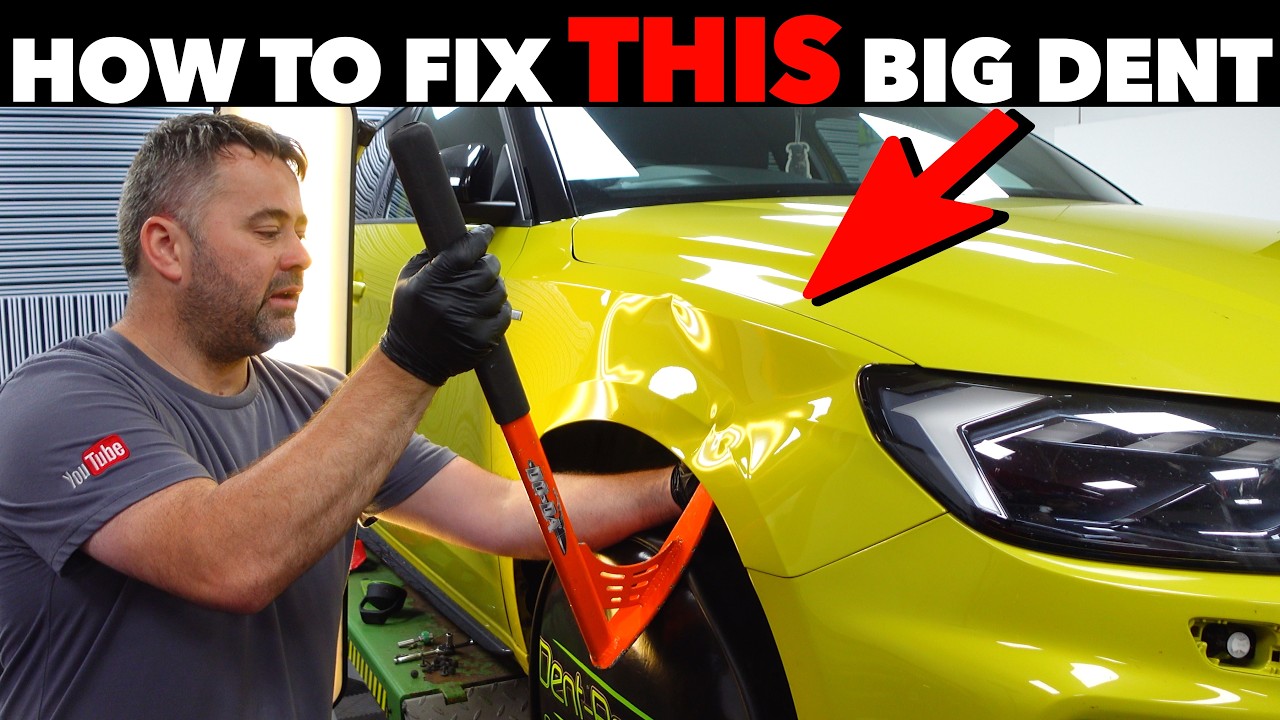
- Parts choice: Accrediting aftermarket or recycled cosmetic parts can conserve days. For structural or security systems, insist on OEM. For bumpers, I such as OEM whenever sensors live behind them, unless the store has a proven aftermarket option that they guarantee will calibrate. Blending: Approving blends raises price and time somewhat however produces better color transitions. Avoiding blends might save a day currently however risks a noticeable mismatch. Phased shipment: If you require the auto for a weekend break wedding, ask if the store can reconstruct briefly and finish aesthetic items later on. This works finest when safety and security products and calibrations are full and just small trims or noncritical panels continue to be. Expect to sign a work-in-progress acknowledgment. Paintless damage repair work: For car park dings where paint is undamaged, PDR can turn a multi-day panel repair work right into a same-day solution. It is not proper for sharp creases or edges, but also for hail storm and door dings it is unbeatable for speed. Perfection versus practicality: That last 2 percent of perfection - getting rid of a barely noticeable orange peel difference on a rocker, or chasing after a mini misalignment that requires an additional component - could include days. Great stores will certainly discuss when the juice is unworthy the press, and they will back their judgment with a lifetime craftsmanship warranty.
How to pick a shop that strikes timelines without cutting corners
Look beyond the entrance hall. Speed with high quality comes from process, staffing, and equipment.
Ask whether the store does full blueprint disassembly at intake. Confirm they pre-order components for scheduled drop-offs so you are not waiting three days before the initial wrench turns. Ask if they have in-house scanning and calibration equipment, or fast access to a partner. If your car utilizes light weight aluminum panels, seek a devoted aluminum bay and training.
Certifications issue, not for the plaque, but also for the criteria that include them. I-CAR Gold Course shows structured training. OEM accreditations show the store has actually bought the best rivet devices, welders, and adhesives, and follows specific treatments. Ask which paint system they make use of and just how they take care of color matching and mixing choices. Some paint lines have more powerful assistance for certain makes.
Communication is an ability, not a politeness. A store that utilizes an administration system with automatic standing updates tends to relocate components orders and supplements much faster. If they supply a sensible delivery window and after that call you when that home window changes, your rental plan can bend. If they assure the moon and go dark, expect friction.
Your duty in a smooth, faster repair
There are a handful of things just you can do that have an outsized impact in a timely manner. Maintain them brief and actionable.
- Choose and license the shop promptly. Delays start before the cars and truck moves. Provide prompt approvals for supplements and components options your policy allows. Share your key fobs, wheel lock, billing cable for EVs, and any sensing unit devices the auto needs to function. Empty the automobile. Trunk cargo and kid seats slow disassembly and reassembly. Be obtainable and make a decision in advance just how to manage subordinate cosmetic items that may show up when components come off.
The insurance coverage dancing: DRP or otherwise, and what to ask
Working with a DRP shop frequently speeds up authorizations. The insurance firm depends on the store's supplement paperwork, and pre-negotiated labor and parts rates simplify sign-offs. That does not imply non-DRP shops are sluggish. Numerous independents have tight relationships with adjusters and move equally as rapid. The secret is whether the shop front-loads documents and interacts daily while a data is open.
Ask your insurer regarding rental insurance coverage details. How many days, and at what buck limitation per day. If a component is backordered, will certainly they prolong the rental, button to an aftermarket component, or enable a recycled alternative. If the auto drifts toward total loss region, request a fast value review so the shop is refraining from AUTO DENT QUALITY fleet auto repair Austin TX doing work that could be unwound.
Weather, holidays, and the reality of the calendar
Two outside pressures play a larger function than most anticipate. First, climate. Hail storm tornados and ice events flood stores with work. Also if your automobile did not see hail storm, the booth, calibration companions, and components vehicles are all busier. Second, vacations. Paint lines, parts depots, and providers all sluggish in between mid-December and very early January, and again around significant summer holidays. If you can, timetable drop-off to stay clear of these peaks.
An easy way to anticipate your own job
Take the planned labor hours on your price quote and divide by 4 to 5 to get a harsh number of on-car days for mid-complexity work, then add:
- 2 to 3 days for the blueprint and very first parts arrival. 0 to 10 days for parts delays, depending on what is on order. 1 to 3 days for paint and cure. 1 to 3 days for calibrations, alignment, and QA.
This is not ideal mathematics, but it brings some sanity to a process that really feels nontransparent. If your quote reveals 30 labor hours for a bumper, hood, and fender with blends, the base work may be 6 to 8 days. Add paint and calibrations, and you are quickly at 8 to 12 days, plus any kind of parts lag.
What to expect on distribution day
Good stores do a last check, a practice run, and a high quality check versus a pre-delivery checklist. Anticipate to examine panel gaps, repaint appearance, color match in daytime, lamp operation, sensing unit warnings, and windscreen washing machine or headlamp washer operation if disturbed. If anything really feels off, say so quickly. Reworks are quicker while the task is fresh and the team bears in mind every fastener and clip they touched.
You needs to get paperwork that includes a made a list of last costs, any kind of supplements authorized, calibration hard copies, positioning specifications if done, and warranty terms. Keep those. If an auto parking sensing unit goes periodic a month later, having evidence of the original calibration shortens the diagnostic path.
A last word on persistence and partnership
Auto body store repair is a choreography of people, components, and procedures. The best stores minimize your downtime by planning well, pushing approvals, and safeguarding top quality where it counts. They additionally tell you the truth when a headlamp is on a six-day backorder or when a camera declines to adjust without another brace. Your function is to choose partners that connect, make timely choices when alternatives appear, and offer the process simply sufficient room to do the task right.
If you prepare around realistic ranges - a few days for small cosmetic job, one to 2 weeks for moderate hits with sensing units, several weeks for architectural jobs - you will rarely be shocked. The only assurance in this organization is that surprises do happen. When they do, a shop that treats you like a teammate, not a ticket number, is the difference between a hold-up and a disaster. Which is the best means to get your cars and truck back safe, directly, and appearing like absolutely nothing ever before happened.